• There are no suggestions because the search field is empty.

Creating Saxion’s First Shared, Future-Oriented Workplace

A first step toward a more connected and flexible campus workplace strategy.

flagSaxion University of Applied Sciences

location_onDeventer, The Netherlands – Higher Education

01 October, 2024

1695 m²

redesigned pilot floor

~300

employees supported by the new environment

3,000+

total Saxion staff (organisation-wide)

20%

legacy office utilisation baseline

2024–2025

project delivery

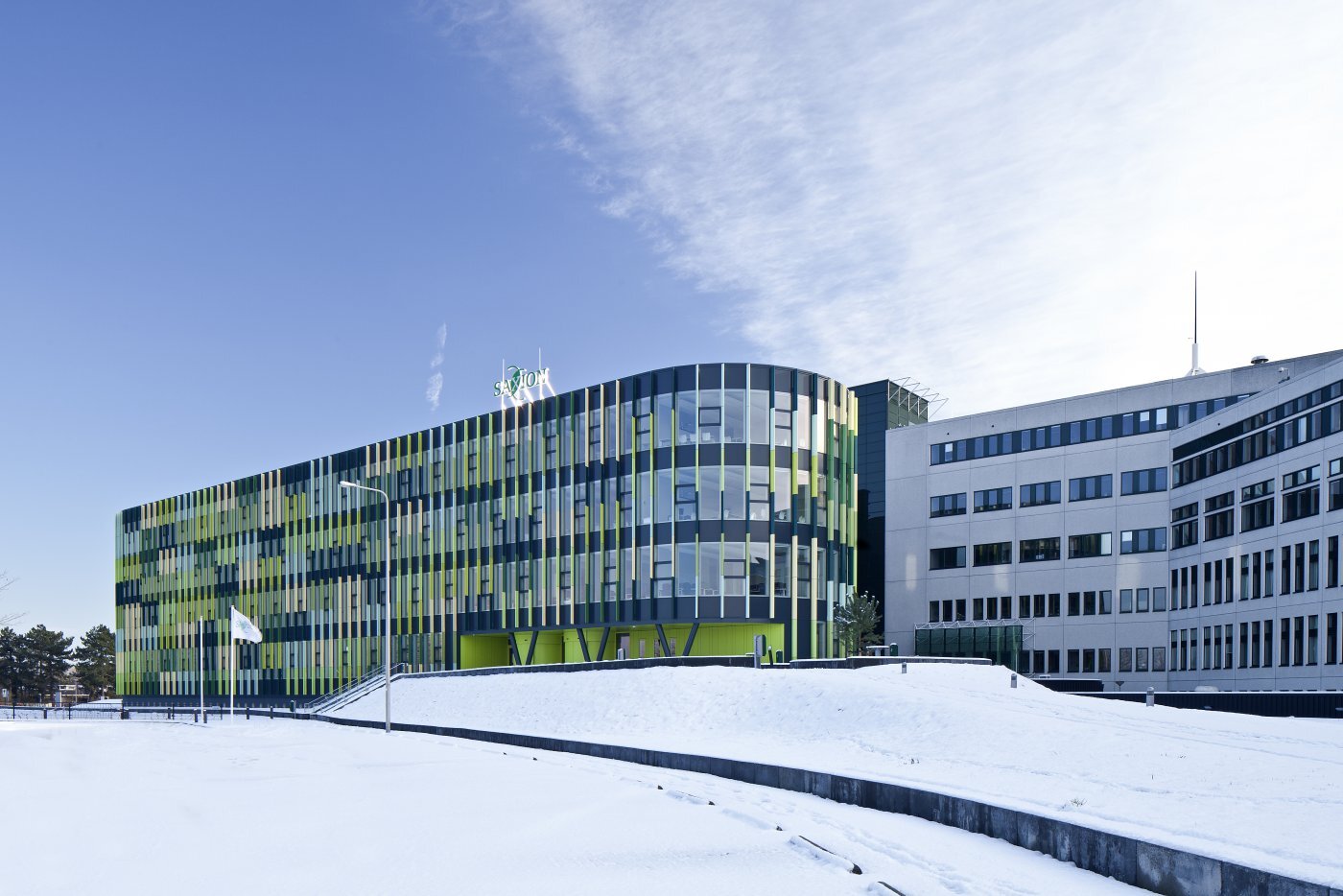
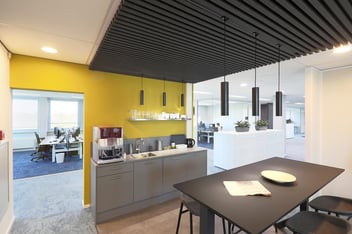
Saxion faced rising cost pressures and very low utilisation of traditional office spaces on one of its Deventer floors. As a first step toward a broader workplace transformation, Saxion partnered with Veldhoen + Company to redesign this floor into a shared, flexible work environment that supports collaboration, focus, and professional connection.This pilot acts as a tangible example of how Saxion’s wider campus accommodation strategy could evolve in the coming years.

The Challenge

The existing floor was underutilised (around 20%) and no longer aligned with how staff worked. Employees were used to private or shared offices, and there was limited experience with shared, activity-based environments.
The challenge was therefore twofold:
Spatial – transforming a traditional office floor into a modern, activity-based workplace.
Cultural – building trust that shared spaces can improve effectiveness, comfort, and collaboration.
This pilot needed to demonstrate what a new way of working could look like — without pretending to represent the entire campus.


Approach / Process / Interventions

Veldhoen + Company and Saxion co-created the floor concept with representatives from the central services (not faculties) who would eventually use the space.

The approach included:

  • Co-creation sessions with staff from the relevant services teams.
  • Behavioural mapping to understand work patterns specific to this floor.
  • Design sprints to translate insights into concrete spatial functions.
  • Change leadership sessions to help managers guide their teams.
  • A strong symbolic gesture was that senior leadership also embraced shared workspaces—showing commitment to openness, equality, and a new way of working.

Results / Impact / Outcomes

The new floor delivers a significantly more vibrant and better-used environment than before and provides a concrete reference point for Saxion’s long-term accommodation strategy.

Key outcomes include:

  • Much higher utilisation and better alignment between space and work.
  • Stronger connection within the involved service teams.
  • More variety, flexibility, and autonomy in choosing the right space.
  • A clear, well-functioning pilot example that informs future campus development.
Importantly, this pilot does not reflect a campus-wide transformation yet — it is the first step toward a more cohesive strategy for the years ahead.

“This pilot floor shows what is possible for Saxion. It gives us a concrete example we can build on as we shape our future accommodation strategy.”

— Jan Tromp, Director Saxion
Curious how a pilot can accelerate your broader accommodation strategy?